The Team of Animal Parasites and Biological Vector Control of SHVRI, CAAS, has conducted a systematic epidemiological survey on tick species infesting pet dogs and cats in mainland China, along with the major tick-borne pathogens they carry. The study reveals a pathogen transmission interface connecting wildlife, companion animals, and humans. The findings have been published in the journal Veterinary Parasitology.
Research Background
In recent years, with the surge in pet ownership across China, dogs and cats have increasingly shared close living environments with humans. Ticks parasitizing companion animals, and the pathogens they harbor, have become significant threats to both animal health and public safety. Prior to this investigation, however, systematic surveillance data on tick species infesting pets and their pathogen carriage status had been lacking in mainland China.
Research Progress
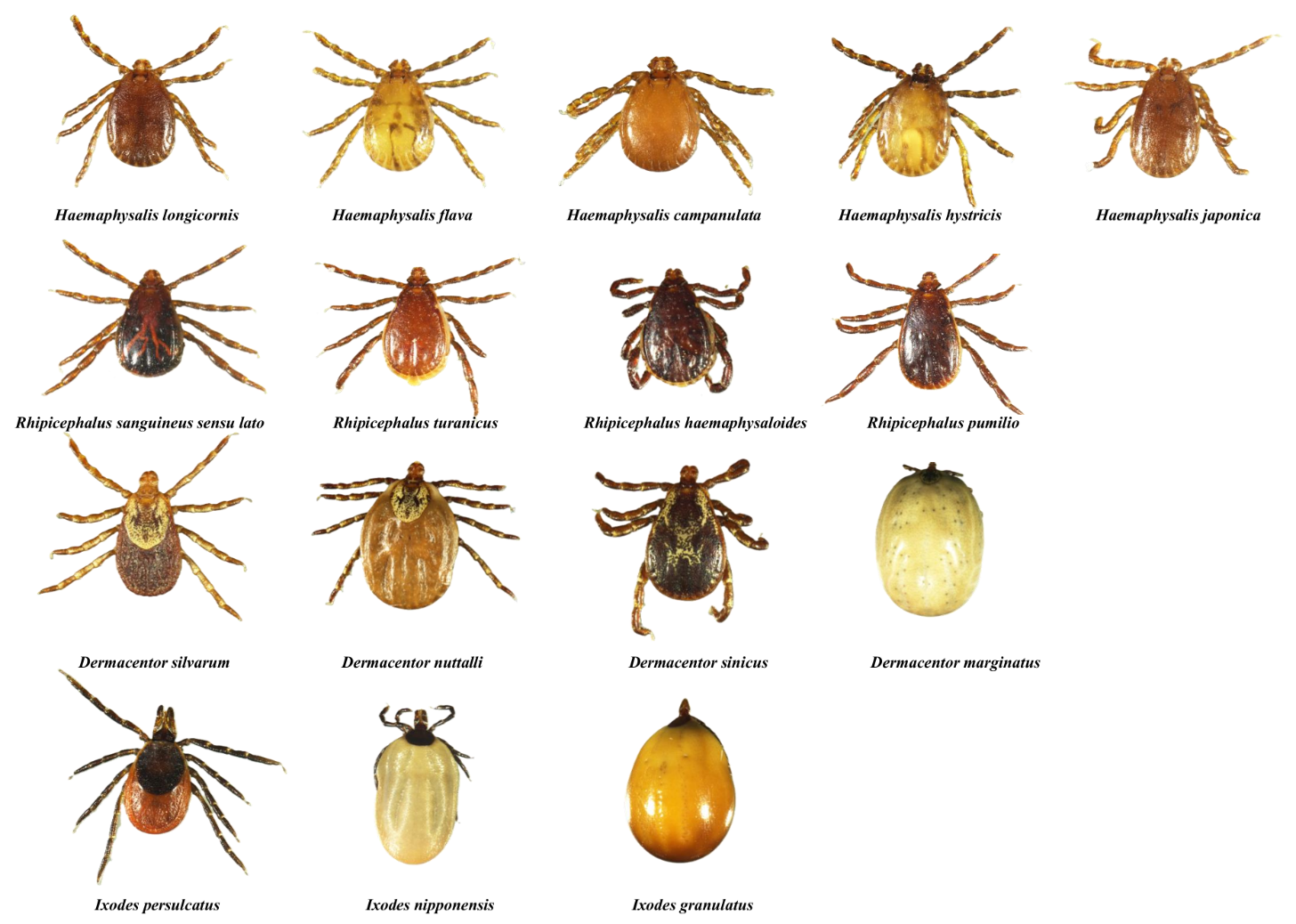
From May 2024 to August 2025, the research team completed a large-scale tick collection campaign, covering 231 veterinary clinics across 27 provincial-level administrative regions (including provinces, autonomous regions, and municipalities). A total of 2,158 tick specimens were collected—1,932 from dogs and 226 from cats. Morphological and molecular identification classified all specimens into 16 tick species, with Haemaphysalis longicornis and Rhipicephalus sanguineus being the two most dominant species. In addition, four tick species were confirmed as new records of pet-parasitizing ticks in China, indicating that companion animals are playing an expanding role as tick hosts, and highlighting the need for strengthened prevention and control research.
For pathogen screening, the team conducted molecular detection targeting four important zoonotic tick-borne pathogens: Babesia spp., Anaplasma phagocytophilum, Ehrlichia spp., and Lyme disease spirochetes. The overall infection rate among the collected ticks was 2.09%, with Babesia spp. showing the highest prevalence at 1.44%. Notably, Candidatus Ehrlichia zunyiensis, Neoehrlichia mikurensis, and Borrelia valaisiana were first detected in ticks from domestic pets, confirming that these pathogens have spilled over from wildlife reservoirs to companion animals. Among these, Neoehrlichia mikurensis-an emerging zoonotic pathogen-can cause severe disease in immunocompromised patients. Furthermore, tick abundance peaked between April and May, with a secondary peak from September to October, while tick activity remained sporadic throughout winter, providing a clear temporal window for the development of seasonal deworming strategies.
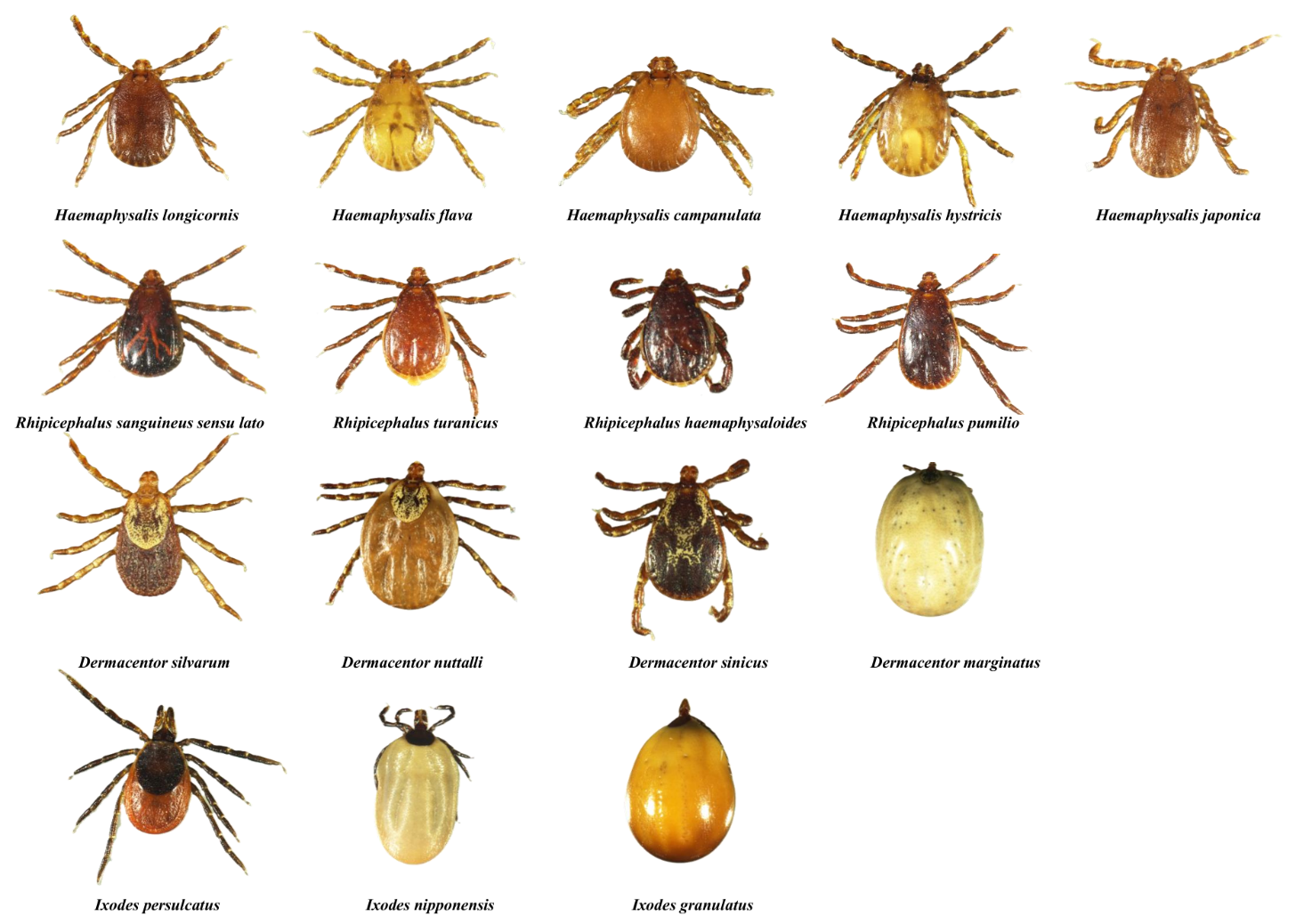
Tick species identified from pet dogs and cats in mainland China
This study fills the gap in systematic data on pet-associated ticks and tick-borne pathogens in China, and provides a scientific basis for tiered prevention and control strategies tailored to regional heterogeneity and seasonal activity patterns. The findings are of substantial practical significance for safeguarding companion animal health and ensuring public biosecurity.
Funding
This work was supported by the Agricultural Science and Technology Innovation Program of CAAS. Ye Qing, a postgraduate student of SHVRI, is the first author of the paper, and Professor Zhou Jinlin serves as the corresponding author.
Original article link:
https://www.sciencedirect.com/science/article/pii/S0304401726001214?via%3Dihub