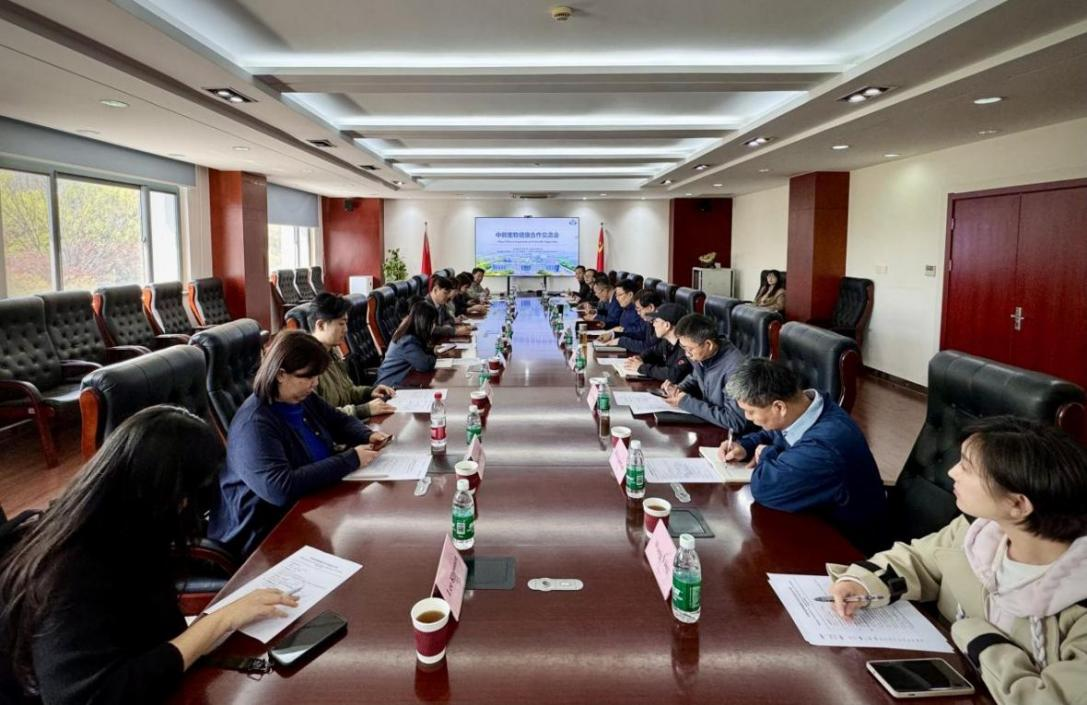
A delegation of SHVRI, CAAS, led by Prof. Han Xuesong, Party Secretary and Deputy Director of SHVRI, recently visited the Yong Loo Lin School of Medicine at the National University of Singapore (NUS) and the Agency for Science, Technology and Research (A*STAR) to explore opportunities for research collaboration.
At NUS, the delegation met with Associate Professor Kevin Tan, Vice-Dean for Graduate Studies and Head of the Department of Microbiology and Immunology, and Associate Professor Zhang Yongliang from the Immunology Programme at the Life Sciences Institute. The two sides exchanged views on shared research interests, including zoonotic diseases, host–pathogen interactions, mucosal immunity, the gut microbiome, and infectious disease research, and discussed opportunities for joint research and researcher and student exchanges. Prof. Han highlighted the growing importance of interdisciplinary and international collaboration in addressing emerging infectious diseases, zoonoses, and antimicrobial resistance under the One Health framework. Associate Professor Tan welcomed closer engagement between the two institutions and expressed interest in advancing specific collaborative projects and personnel exchanges.
During the visit, SHVRI and the NUS Yong Loo Lin School of Medicine signed a Memorandum of Understanding (MOU) to provide a framework for future collaboration in research, academic exchange, and talent development. The delegation also visited research facilities at the NUS Life Sciences Institute to learn more about its research infrastructure and laboratory management.
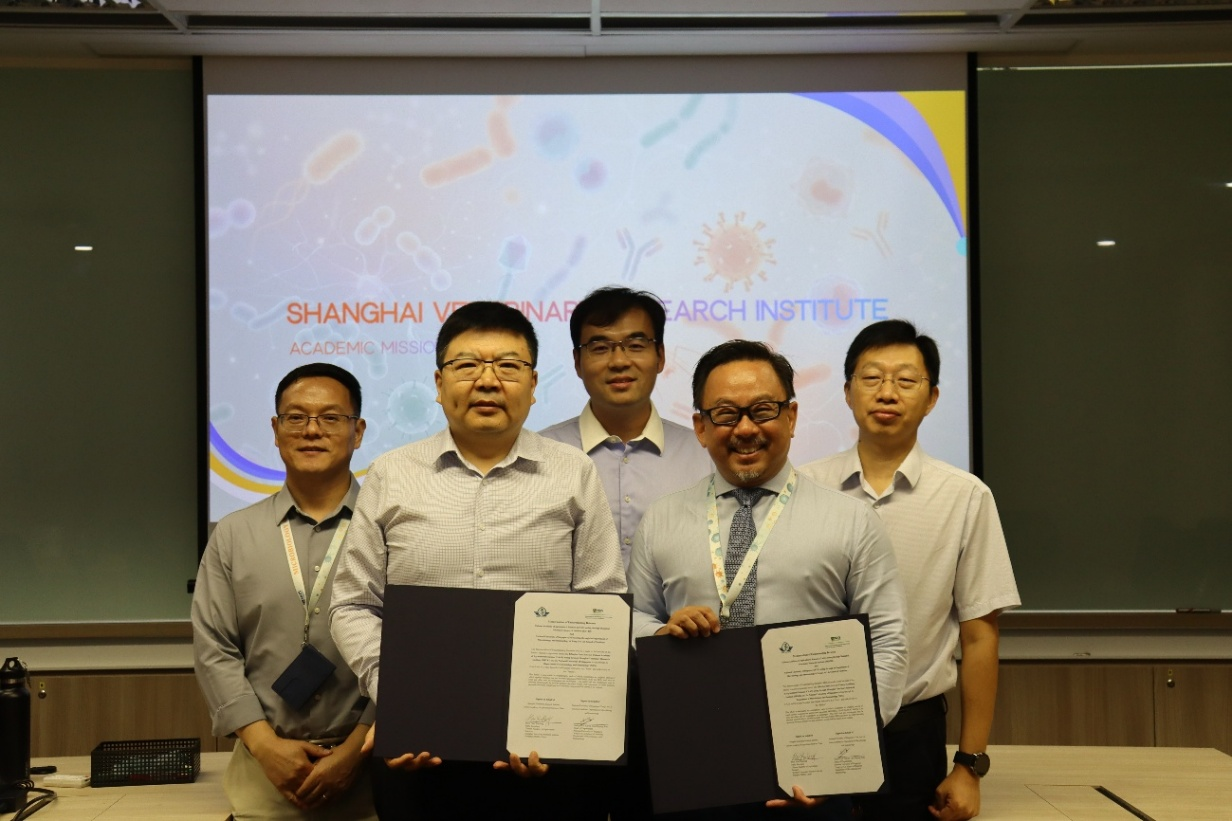
Participants from both sides display the signed Memorandum of Understanding (MOU)
From left: Zhang Yongliang, Han Xuesong, Bao Yanqing, Kevin Tan, and Wang Shaohui
At A*STAR, the delegation was hosted by Dr. Thet Tun Aung and visited molecular biology, pathogen research, cell biology, and Biosafety Level 2 animal facilities. Discussions focused on bacteriophage-based approaches to bacterial infection control, including the identification of effective broad-spectrum phages and their potential as alternative antimicrobial strategies.
The visit strengthened SHVRI's links with leading research institutions in Singapore and laid the groundwork for future collaboration in infectious disease research, mucosal immunity, gut microbiome research, antimicrobial alternatives, and researcher training. SHVRI will continue to build on these discussions and the newly signed MOU to advance concrete joint projects and expand its research partnerships in Southeast Asia.
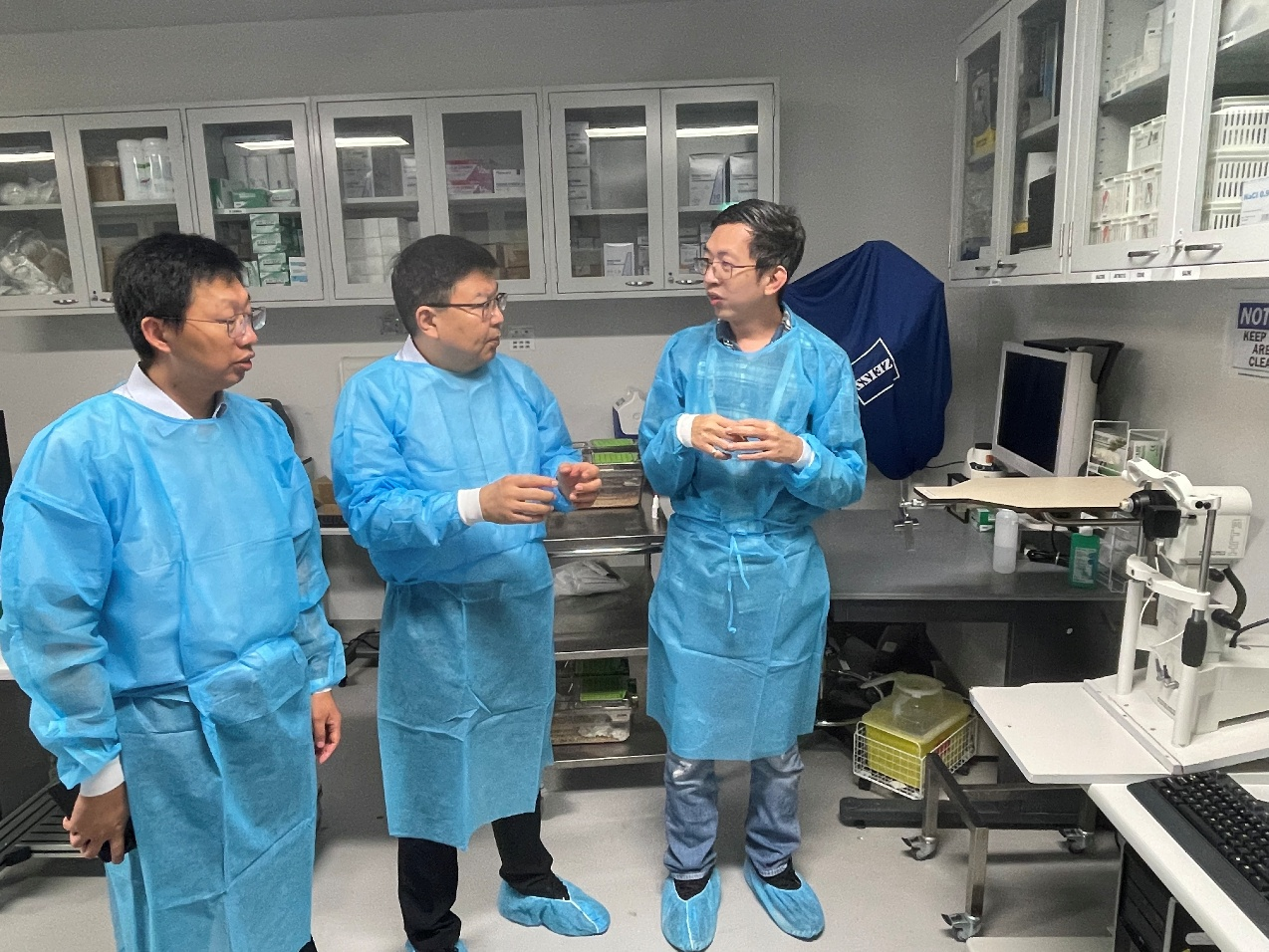
Dr. Thet introduces the facilities to the SHVRI delegation